
 English
  Bulgarian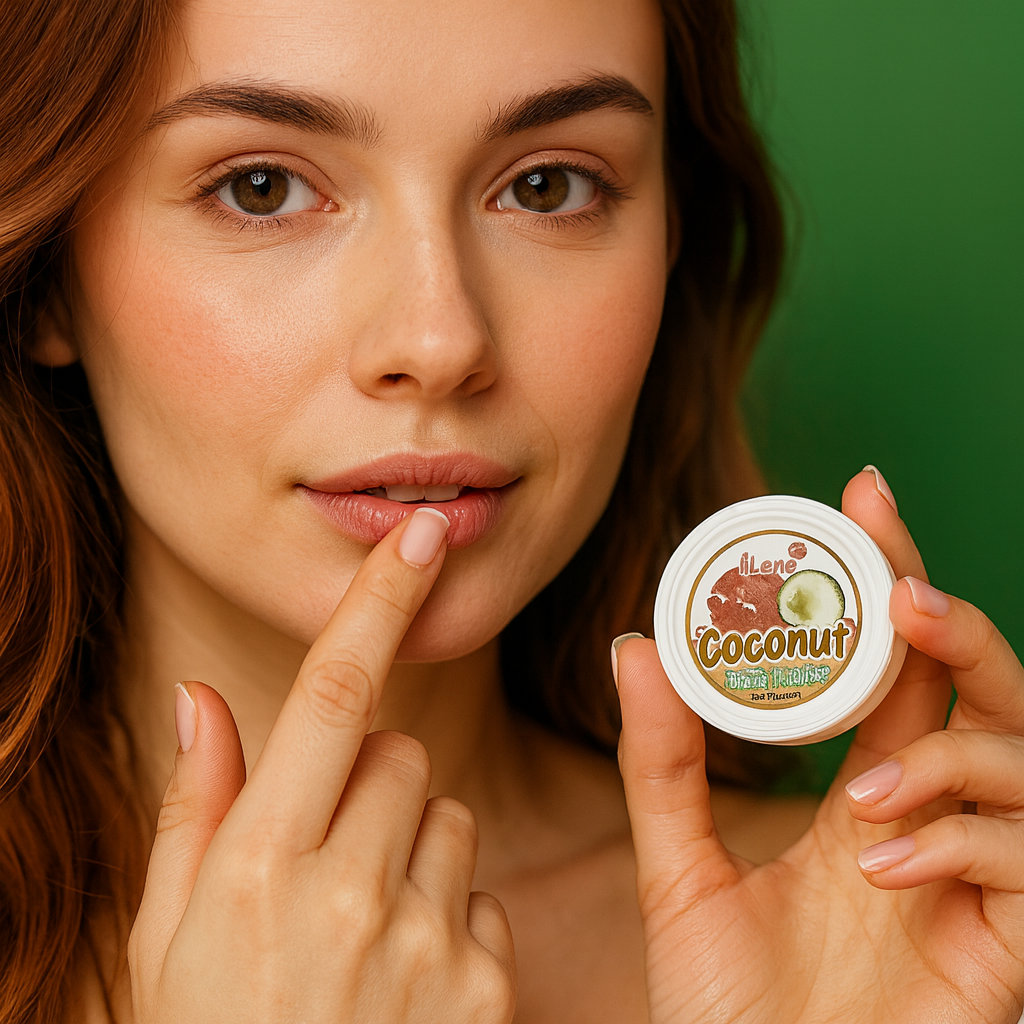
Natural lip balm has become a wellness essential for people seeking cleaner, safer, and more effective everyday skincare. Made with plant oils, herbal extracts, and nourishing ingredients, it offers long-lasting hydration without synthetic chemicals, artificial fragrances, or petroleum derivatives.
However, even the best natural lip balm can lose its effectiveness if it’s used incorrectly.
Surprisingly, most people unknowingly make two major mistakes that actually damage the lips instead of healing them.
This guide breaks down these top mistakes, why they happen, and how to correct them for healthy, soft, moisturized lips year-round.
Mistake #1: Over-Applying Lip Balm Throughout the Day
Many people think lip balm should be used constantly — every 10 to 20 minutes — especially when the lips feel dry. But frequent reapplication can actually worsen dryness in the long term, even when the balm is fully natural.
Why Overuse Is a Problem
Your lips naturally produce oils that protect the skin barrier. When you apply balm too often, you:
1. Interrupt the natural hydration cycle
The lips become dependent on the external moisture instead of holding their own. This leads to:
- increased dryness
- reduced lipid (oil) production
- constant need to reapply
2. Create product buildup
Even natural balms contain ingredients like shea butter, beeswax, or herbal oils that can accumulate on the surface if overused. This creates a layer that:
- prevents oxygen exchange
- attracts dust and bacteria
- makes lips feel heavy, sticky, or clogged
3. Trigger the urge to lick your lips
When lips are coated too often, people tend to lick them subconsciously — especially mint-, honey-, or fruit-scented balms.
This worsens dryness because saliva evaporates quickly, pulling moisture away from the lips.
Signs You’re Overusing Lip Balm
- Lips feel dry unless balm is applied
- You reapply more than 5–6 times a day
- Your lips peel despite regular care
- You feel “lost” without your lip balm
- Lips feel coated but not moisturized
If you check at least two of these, you’re likely overusing it.
How to Use Natural Lip Balm Correctly
✔ Apply 2–3 times per day
Perfect moments include:
- after waking up
- after eating
- before going outdoors
- before sleep
✔ Identify true dryness
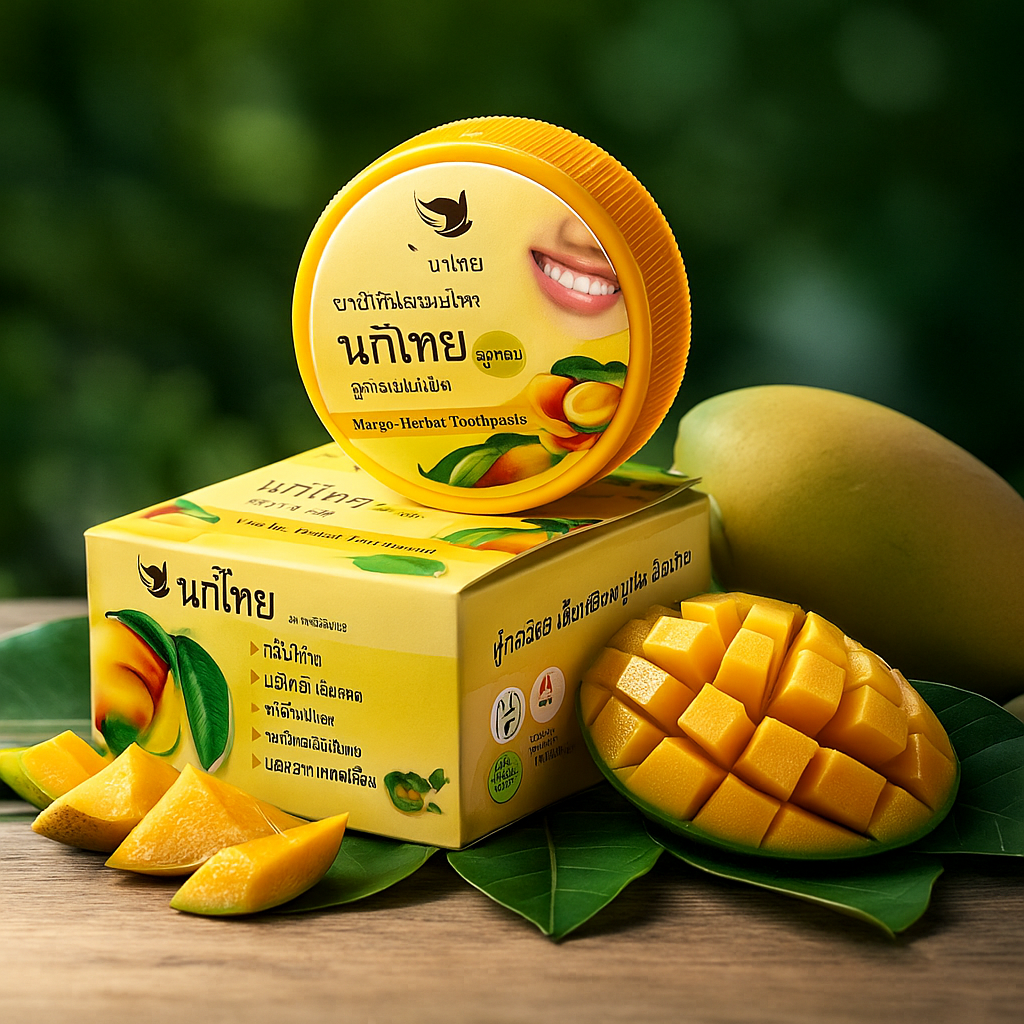
If lips crack despite balm use, you may need more water, better nutrition, or a richer natural formula with mango butter, coconut oil, or herbal extracts.
✔ Choose balms without irritating essential oils
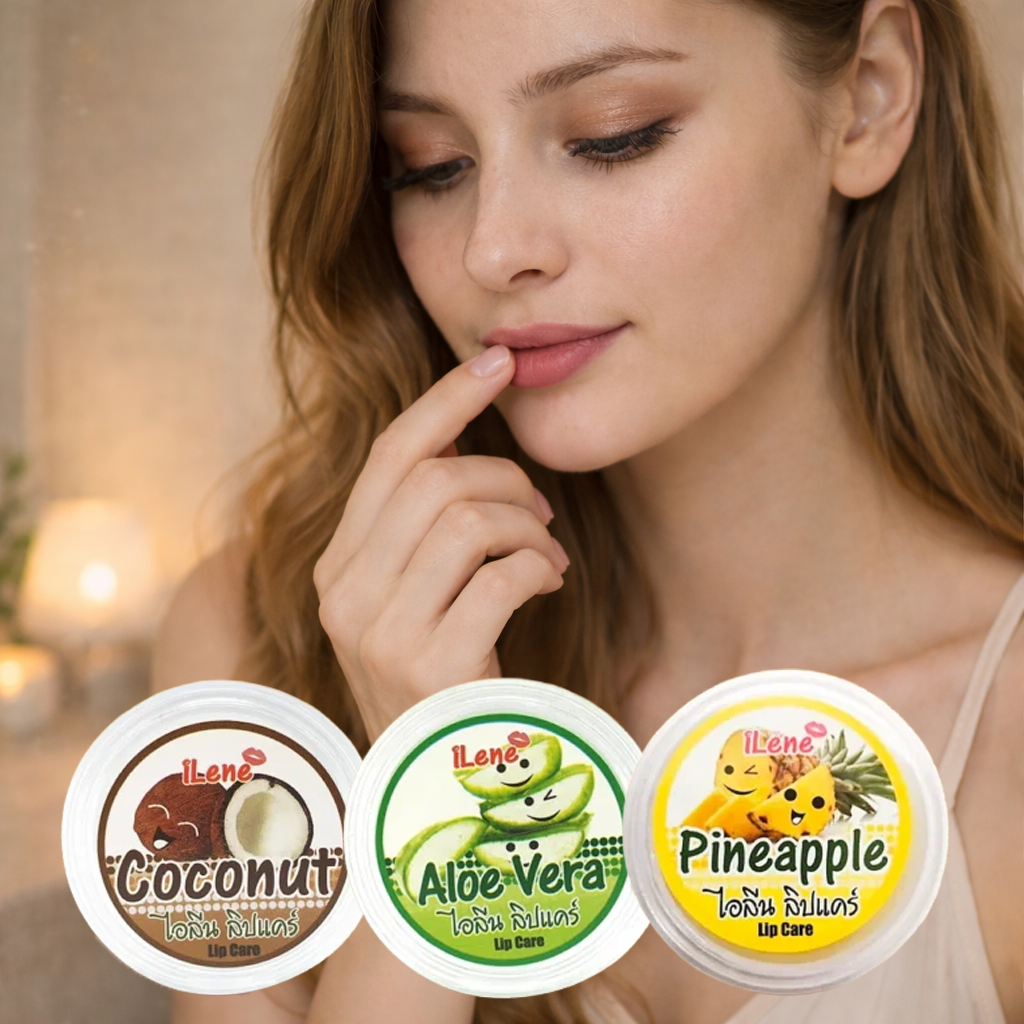
Mint, citrus, cinnamon, and strong essential oils can cause dryness if used excessively. Tropical balms like mango, aloe vera, and coconut tend to be gentler.
✔ Exfoliate once weekly
Use a gentle sugar scrub or a soft toothbrush to remove dead skin cells, allowing your balm to work deeper.
Mistake #2: Using Lip Balm Only When Lips Are Already Damaged
The second major mistake is treating lip balm as a fix rather than a preventive step.
Most people wait until their lips are:
- cracked
- peeling
- burning
- split
- extremely dry
before reaching for their natural balm.
But lip balm works best before damage appears, not after.
Why Waiting Too Long Causes Problems
1. Dry, cracked lips absorb balm poorly
When the skin barrier is broken, balms cannot penetrate effectively, slowing the healing process.
2. Broken skin loses hydration quickly
Once cracked, lips cannot hold moisture. You apply balm — but it evaporates immediately.
3. You end up over-applying (which leads to Mistake #1)
4. The healing process becomes painful
Deep cracks can take days to repair, even with high-quality herbal formulas.
Natural lip balms work similarly to skincare:
Consistency is the key — not emergency use.
Why Prevention Matters More Than Treatment
Lips have:
- no oil glands
- very thin skin
- constant exposure to sun, wind, and cold
This means they dry out faster than any other part of your body.
A good lip care routine prevents:
- cracking
- peeling
- inflammation
- cold-weather irritation
- burning sensation
- chronic dryness
Using natural lip balm daily keeps the skin barrier healthy and resilient.
How to Prevent Lip Damage Effectively
✔ Apply before going outside
Wind, sun, and dry air quickly remove moisture. A thin layer of balm creates a protective barrier.
✔ Use at night
Nighttime is when the skin repairs itself. Natural ingredients like mango butter, coconut oil, and herbal extracts heal lips deeply while you sleep.
✔ Hydrate from inside
Drink enough water — dehydrated skin cannot stay soft no matter how good the balm is.
✔ Choose balms with healing ingredients
Look for:
- mango extract
- coconut oil
- beeswax
- aloe vera
- shea butter
- vitamin E
They nourish, protect, and restore the delicate skin of the lips.
How Natural Lip Balm Works Best: Rituals for Healthy Lips
To get the most benefit from natural lip balms, integrate them into your daily wellness routine.
1. Morning: Protect
Apply a thin layer to shield lips from:
- weather
- UV exposure
- dehydration after coffee
2. Daytime: Maintain
Reapply only when needed, usually after meals or when exposed to wind or cold.
3. Evening: Restore
Before bed, apply a slightly thicker layer.
Nighttime healing is more effective because lips remain undisturbed for hours.
4. Weekly Care: Exfoliate
A gentle exfoliation helps remove dead skin cells, ensuring smoother, healthier lips.
Bonus Tip: Avoid Petroleum-Based Lip Balms
Many conventional balms use petroleum jelly or mineral oils, which:
- only sit on the surface
- block the skin from breathing
- create a temporary “glossy” feeling
- don’t nourish the deeper layers
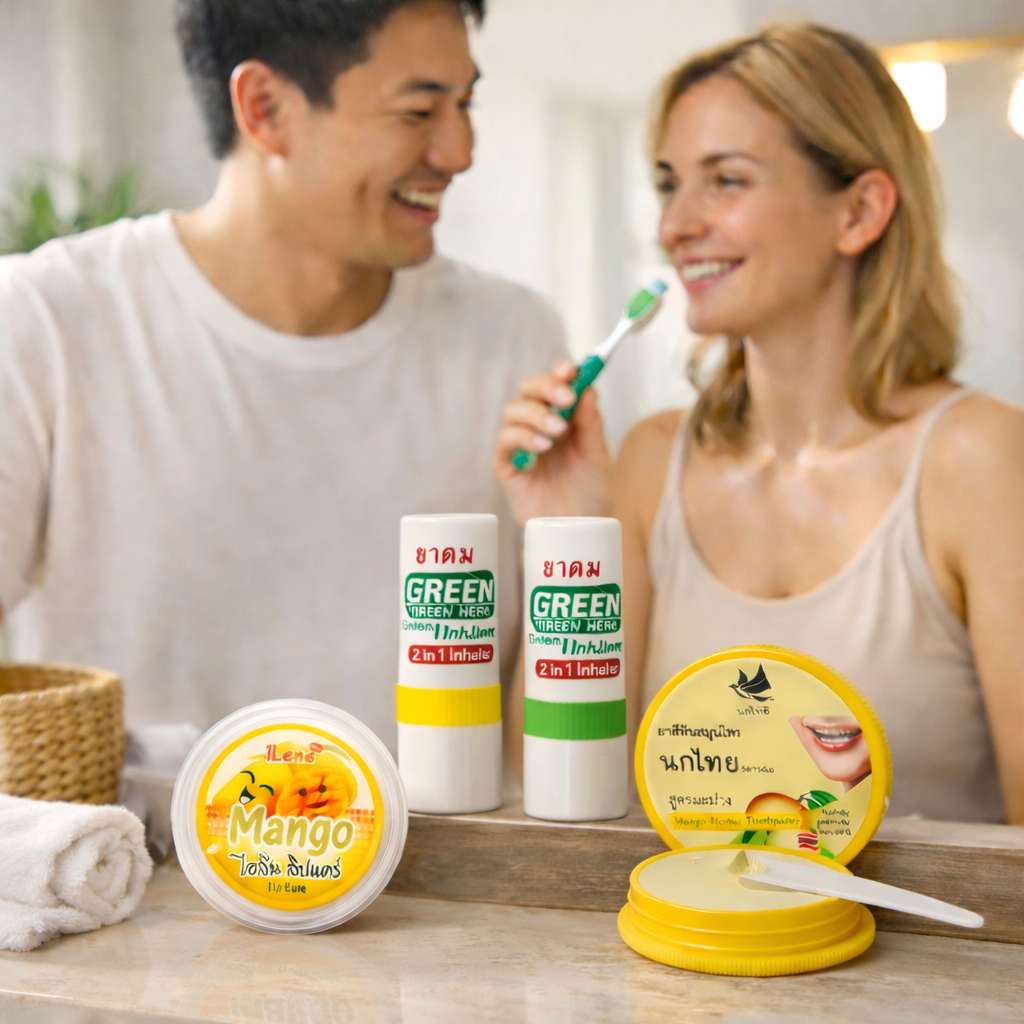
Natural lip balms, especially tropical herbal formulas like mango balm, penetrate deeper and deliver vitamins, antioxidants, and plant-based moisture.
Conclusion: Healthy Lips Start with Smart Habits, Not Just Good Ingredients
Natural lip balms are powerful tools for soft, hydrated, and healthy lips — but they must be used correctly.
Avoiding the two biggest mistakes:
1. Overusing lip balm all day
2. Only applying it once your lips are already damaged
…will dramatically improve your results.