
 English
  Bulgarian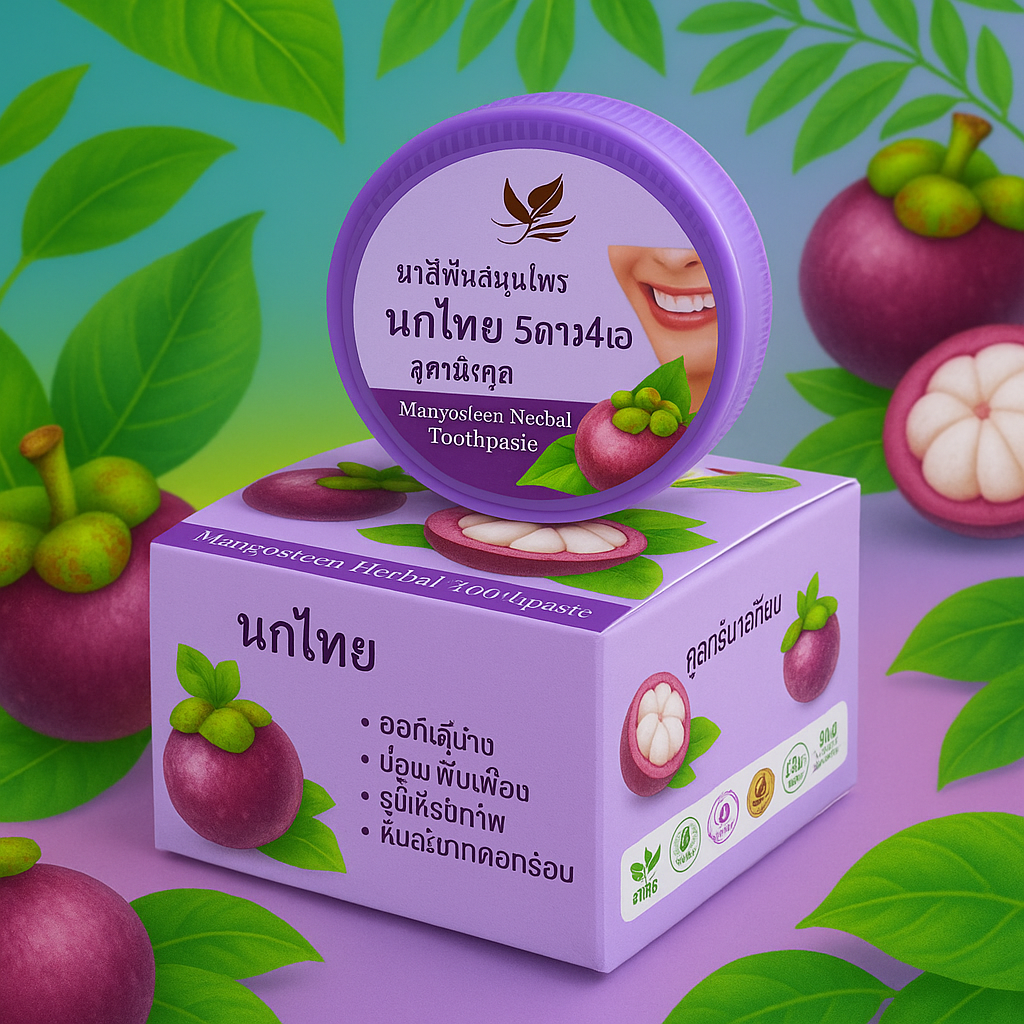
Natural toothpaste has become a preferred choice for people seeking cleaner, safer, and more holistic oral care. As consumers shift away from chemical-based formulas and toward plant-powered alternatives, certain tropical ingredients are gaining attention for their exceptional benefits. One of the most impressive among them is mangosteen (Garcinia mangostana) — often called the “queen of fruits.”
Known for its deep purple rind, bright white segments, and rich antioxidant profile, mangosteen has been used in Southeast Asian herbal traditions for centuries. Today, its extracts are being added to natural toothpaste for cleaner teeth, stronger gums, and fresher breath — all without harsh chemicals.
This in-depth guide explores how mangosteen grows, why it is considered one of the most powerful oral-care plants, and how it works inside natural toothpaste to improve your daily wellness routine.
What Is Mangosteen and Why Is It So Powerful?
Mangosteen is a tropical fruit native to Thailand, Malaysia, and Indonesia. Its sweet interior is nutritious, but the true therapeutic value lies in the purple rind, which contains:
- Xanthones — rare, highly potent antioxidants
- Tannins — natural astringents that tighten gum tissue
- Anti-inflammatory compounds
- Antibacterial phytochemicals
- Vitamin C for gum strength
- Fiber and minerals
These components make mangosteen one of the most effective natural ingredients for maintaining a healthy mouth, preventing bacteria buildup, and soothing sensitive gums.
In Thailand, mangosteen rind has traditionally been used in herbal remedies for gum infections, mouth sores, and inflammation — making it the perfect ingredient for modern natural toothpaste.
How Mangosteen Grows and Why It Matters for Toothpaste
The mangosteen tree grows best in warm, humid tropical climates, especially:
- Southern Thailand
- Malaysia
- Indonesia
- Vietnam
- India
The tree requires:
- Constant moisture
- Nutrient-rich soil
- Partial shade
- Stable year-round temperatures
This careful environment produces a fruit with uniquely high concentrations of antioxidants. The thick rind absorbs more sunlight and nutrients than most tropical fruits, resulting in powerful healing compounds.
Why this is important for toothpaste:
- The fruit’s natural antibacterial power helps fight oral bacteria.
- The nutrient density supports gum healing and regeneration.
- The natural acidity balance freshens breath without synthetic flavors.
- The tannins help tighten and tone gum tissue.
Mangosteen extract is stable, long-lasting, and highly effective even in small amounts — making it ideal for natural oral-care formulations.
Key Benefits of Mangosteen in Natural Toothpaste
Including mangosteen in toothpaste brings a wide range of benefits that synthetic formulas struggle to match. Here are the most important advantages:
1. Strong Natural Antibacterial Protection
Mangosteen contains powerful xanthones that inhibit the growth of harmful bacteria responsible for:
- plaque buildup
- cavities
- gum infection
- bad breath
Unlike chemical disinfectants such as triclosan, mangosteen targets harmful bacteria without disturbing the balance of beneficial oral microbes. This supports long-term oral wellness.
2. Reduces Gum Inflammation and Sensitivity
Inflamed gums often result from irritation, over-brushing, or chemical toothpaste ingredients.
Mangosteen contains anti-inflammatory compounds that help:
- soothe irritation
- reduce swelling
- calm redness
- accelerate healing
People with gingivitis or sensitive gums often notice relief within days of switching to mangosteen herbal toothpaste.
3. Helps Prevent Bleeding Gums
Thanks to tannins and vitamin C, mangosteen strengthens the blood vessels in gum tissue. This reduces bleeding caused by:
- brushing too hard
- flossing
- inflammation
- receding gums
The astringent effect gently tightens the gums, improving overall oral hygiene.
4. Supports Enamel Protection
The antioxidants in mangosteen help protect enamel from:
- oxidative stress
- acid erosion
- harmful bacteria
- sugar breakdown in food
While conventional toothpaste relies on chemicals or bleaches, mangosteen provides natural, gentle enamel strengthening that is safe for long-term use.
5. Natural Whitening Effect
Mangosteen’s mild acidity helps remove surface stains from:
- coffee
- tea
- red wine
- sodas
- certain foods
Without harsh bleaching agents, the fruit gently brightens teeth, improving the overall appearance of your smile.
6. Freshens Breath Naturally
Mangosteen helps neutralize odor-causing bacteria in the mouth.
Its natural tropical aroma blends well with herbs, making toothpaste taste:
- fresh
- fruity
- clean
- pleasant
This makes it ideal for people who dislike strong mint or chemical flavors.
7. Safe for Children and Sensitive Users
Mangosteen is a natural, plant-based ingredient with no:
- synthetic foaming agents
- artificial dyes
- strong chemical flavors
- harsh acids
- preservatives
- allergens (in most cases)
This makes mangosteen herbal toothpaste a great choice for:
- children
- pregnant women
- people with sensitive gums
- people with allergies to synthetic toothpaste ingredients
8. Helps Heal Mouth Ulcers and Small Wounds
Thanks to its natural antiseptic and anti-inflammatory properties, mangosteen can help speed the healing of:
- mouth ulcers
- canker sores
- small injuries from braces
- irritated spots from hot foods
Its soothing effect makes brushing more comfortable.
9. A Holistic Ingredient for Complete Oral Health
Mangosteen offers a full spectrum of benefits, including:
- antioxidant protection
- antibacterial action
- anti-inflammatory relief
- natural whitening
- gum strengthening
- breath freshening
Few natural ingredients offer this combination — which is why mangosteen is becoming a star ingredient in premium natural toothpaste.
How Mangosteen Extract Is Selected for Toothpaste Formulas
High-quality natural toothpaste brands use a careful process to ensure purity and effectiveness.
1. Harvesting Fully Mature Fruits
Only ripe mangosteen contains high levels of xanthones and tannins.
2. Using the Rind (Pericarp)
This is where most of the beneficial compounds are concentrated.
3. Cold Extraction or Gentle Drying
Heat destroys antioxidants — so producers use low-temperature methods to keep the nutrients intact.
4. Testing for Purity
Extracts must be:
- microbiologically safe
- pesticide-free
- free from heavy metals
- rich in natural active compounds
5. Blending with Complementary Ingredients
Mangosteen works especially well with:
- coconut oil – antibacterial
- aloe vera – soothing
- herbal oils – fresh breath
- silica – gentle teeth cleaning
- mint – flavor balance
The result is a safe, highly effective, naturally fresh toothpaste.
Why Mangosteen Toothpaste Is Better Than Chemical-Based Formulas
Most conventional toothpaste contains:
- SLS (Sodium Lauryl Sulfate)
- artificial colors
- artificial sweeteners
- fluoride (sometimes too much)
- strong preservatives
- synthetic flavors
- bleaching agents
These ingredients may cause:
- gum irritation
- enamel thinning
- dryness
- allergies
- mouth ulcers
Mangosteen toothpaste provides a gentle, plant-based alternative that supports oral health naturally and holistically.
Conclusion: Mangosteen — A Tropical Secret for Healthy Teeth and Gums
Mangosteen is far more than a delicious exotic fruit. Its powerful antioxidants, natural antibacterial action, and soothing properties make it one of the most effective ingredients in herbal toothpaste today.
From reducing inflammation to protecting enamel and freshening breath, mangosteen supports your oral health without harsh chemicals. For families looking to switch to safer, plant-based products, mangosteen toothpaste is a smart, modern, and highly effective choice.
Whether you’re seeking better gum health, a brighter smile, or a cleaner daily routine, mangosteen offers a beautiful combination of nature, wellness, and tradition — all in one simple oral-care ritual.