 English
  Bulgarian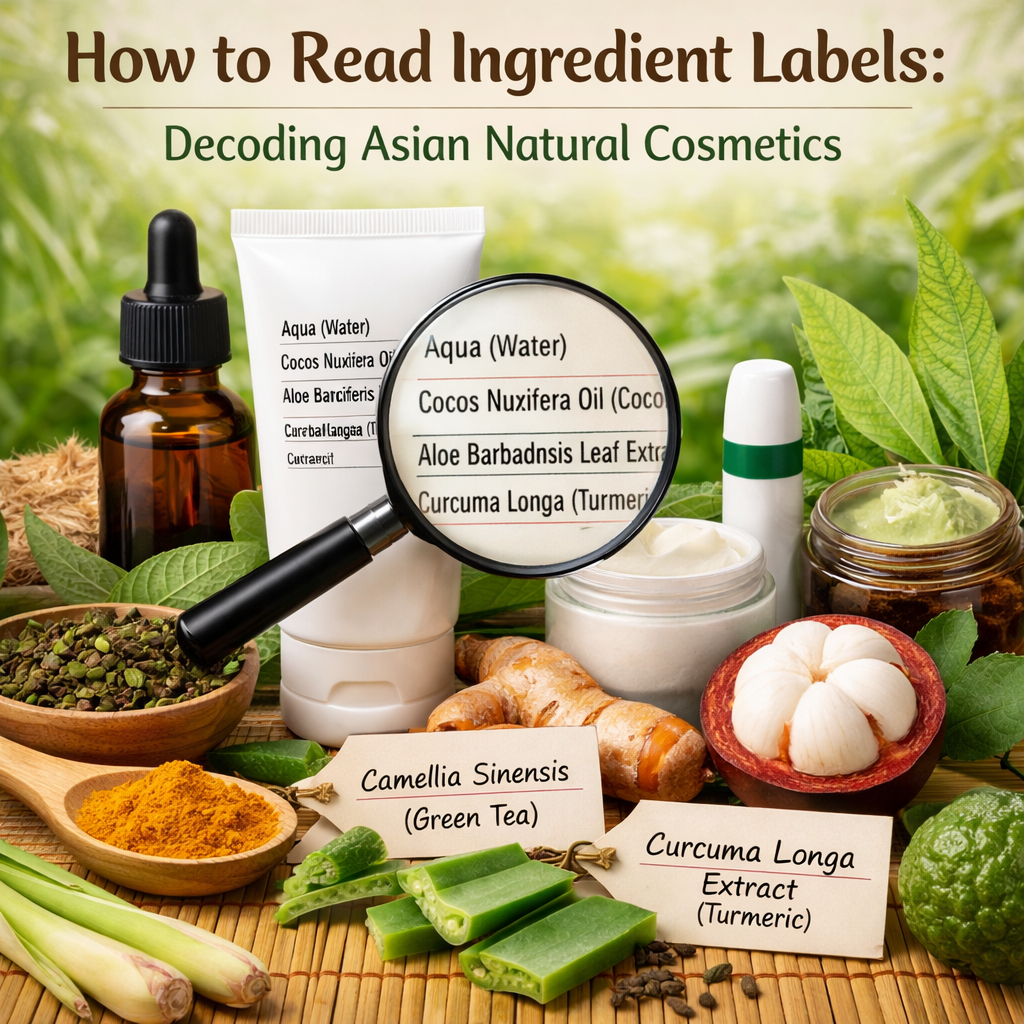
As interest in natural wellness grows, more people are turning to Asian cosmetics for gentle, plant-based personal care. Products from Thailand, Japan, Korea, and India are known for their herbal traditions and effective botanical formulations. But understanding the ingredient labels on these products can be challenging. For customers of asianhealthproduct.com, learning how to read cosmetic labels is essential for choosing safe, natural, and effective items for daily use.
This guide explains how to decode ingredient lists, what to look for, what to avoid, and how Asian natural cosmetics are formulated. With this knowledge, you will be able to make confident and informed choices for your personal care routine.
Why reading ingredient labels matters
Ingredient labels are more than just technical information. They show the quality, safety, and authenticity of a cosmetic product. Understanding them helps you:
avoid harsh chemicals commonly found in commercial products
select natural, safer alternatives
recognize ingredients with real benefits versus marketing claims
compare products effectively
identify genuine herbal formulations
support long-term skin, oral, and overall health
At asianhealthproduct.com, many of the products come from traditional Thai wellness culture, where natural ingredients are used with intention and simplicity. Reading labels correctly ensures that you get the full value of these botanical formulas.
How Asian cosmetic labels are structured
Most Asian brands use the INCI system, or International Nomenclature of Cosmetic Ingredients. This format helps ensure consistency around the world. Under this system:
Ingredients are listed from highest to lowest concentration.
The first five ingredients make up most of the formula.
Plant extracts appear under their Latin botanical names.
Active herbal ingredients are often listed in the middle of the label.
Preservatives and stabilizers usually appear near the end.
Once you understand this order, you can quickly see whether a product is truly natural or only partially botanical.
Common natural ingredients in Asian cosmetics and their benefits
Asian cosmetics use many traditional herbal ingredients with well-documented benefits. Some of the most common found on asianhealthproduct.com include:
Thai ingredients
Clove extract for antibacterial support
Mangosteen extract for antioxidants and anti-inflammatory effects
Guava leaf extract for fresh breath and microbial balance
Mint, eucalyptus, camphor, and borneol for clarity and aromatherapy
Japanese ingredients
Green tea for antioxidants
Rice bran for brightening and nourishment
Camellia oil for softness and protection
Korean ingredients
Centella asiatica for healing and calming
Ginseng for firming and revitalizing
Licorice extract for brightening
Indian ingredients
Neem for antibacterial and purifying effects
Turmeric for inflammation support
Aloe vera for hydration
Sandalwood for soothing the skin
Recognizing these botanical names helps you understand what each natural cosmetic is designed to do.
Key ingredient categories to understand
Every cosmetic formula contains different types of ingredients serving different purposes. Here are the main categories:
Base ingredients
These give the product its texture and consistency. Examples include water, glycerin, natural plant oils like coconut or sesame oil, and fatty alcohols such as cetyl alcohol or stearyl alcohol. Fatty alcohols sound chemical but are usually derived from plants and safe for skin and oral use.
Active ingredients
These deliver the primary benefits of the product. Examples seen in Asian natural cosmetics include aloe vera extract, turmeric root extract, mango fruit extract, green tea extract, and menthol from mint.
Functional ingredients
These help stabilize and preserve the formula. Examples include emulsifiers, thickeners, humectants, and mild preservatives. Natural thickeners such as xanthan gum or cellulose gum are common in Asian herbal cosmetics.
Fragrance components
In natural cosmetics, fragrance usually comes from essential oils such as citrus oils, eucalyptus oil, and herbal mint oils. These provide scent as well as therapeutic effects. Synthetic perfumes, listed simply as fragrance or parfum, are less common in true natural products.
Ingredients to be cautious about
Not every chemical name is harmful, but some ingredients are best avoided if you want a natural routine. These include:
SLS and SLES, which are strong foaming agents that may irritate gums or skin
Artificial fragrance, which may cause sensitivities
Artificial colors, often listed as CI followed by numbers
Parabens, which some consumers avoid
Mineral oil, which is petroleum-based
Silicones, which create slip but do not nourish the skin
Asian natural products, including those offered on asianhealthproduct.com, typically avoid these ingredients, but always double-check the label.
How to identify genuine natural cosmetics
Some products claim to be natural but contain only small amounts of herbal extracts. Here is how to tell the difference:
The first ingredients come from plants, not chemicals.
Botanical extracts appear early in the list.
The product uses natural fragrance instead of synthetic perfume.
The formula is short and easy to understand.
The brand emphasizes herbal traditions or natural sourcing.
If plant ingredients appear at the bottom of the label, the product contains only minimal natural content.
How to interpret the first five ingredients
The first five ingredients on any cosmetic label make up the majority of the formula. For truly natural products, these ingredients should reflect the product’s botanical purpose. For example:
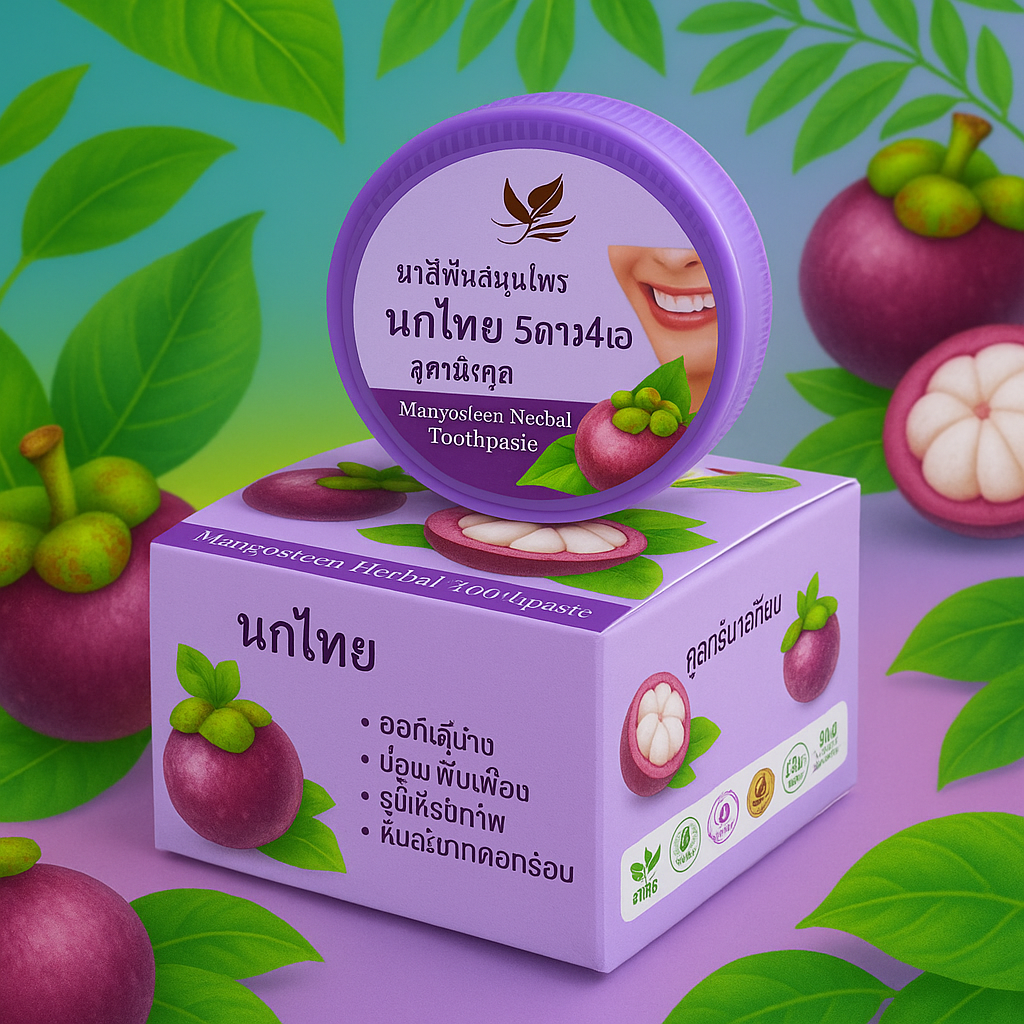
Natural toothpaste should contain herbal extracts, salt, charcoal, coconut oil, or mint.
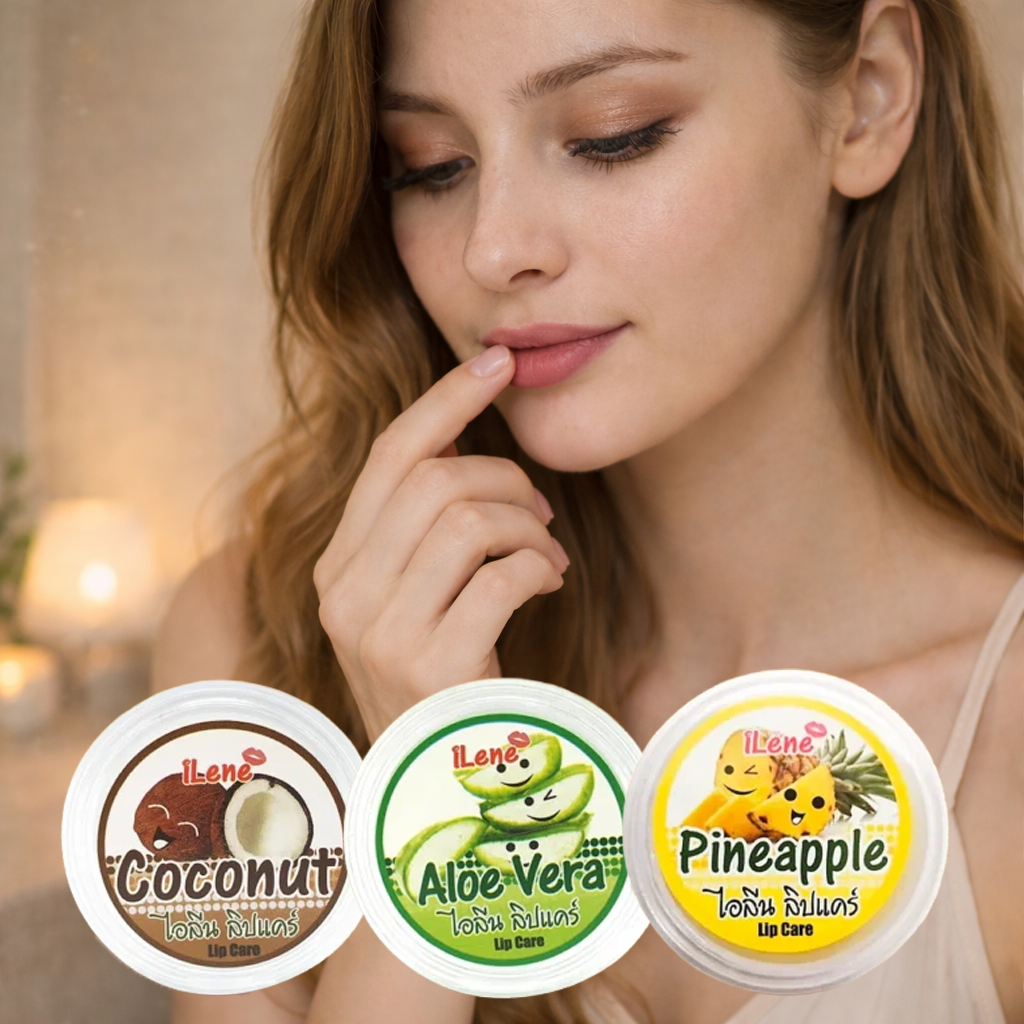
Natural lip balm should contain beeswax, coconut oil, shea butter, or fruit extracts.
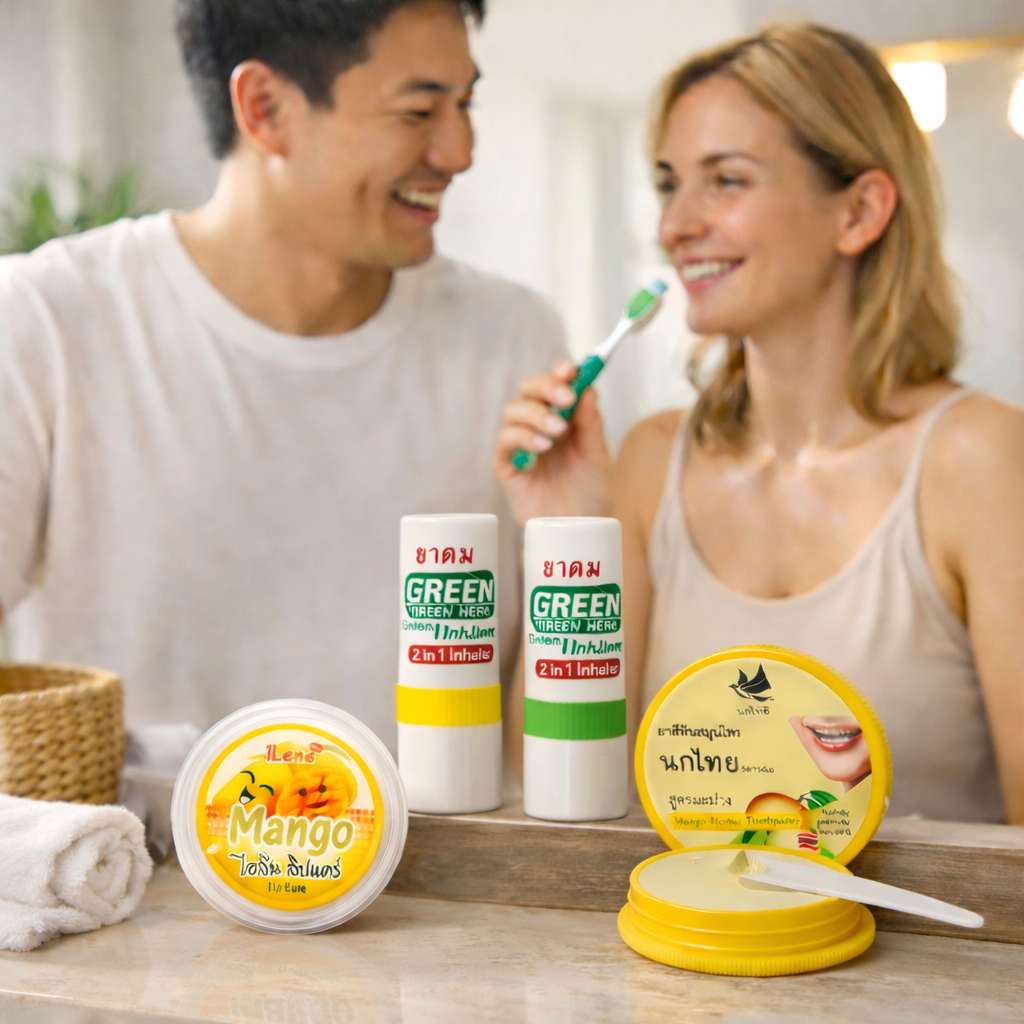
Herbal inhalers should use essential oils and aromatherapeutic ingredients such as eucalyptus or menthol.
This is an easy method to quickly evaluate a product’s quality before purchasing.
Understanding Latin names on labels
Asian natural cosmetics often use Latin names for transparency. Some common examples include:
Mangifera indica extract for mango
Psidium guajava leaf extract for guava leaf
Camellia sinensis for green tea
Curcuma longa for turmeric
Cocos nucifera for coconut
Aloe barbadensis for aloe vera
Learning these names makes decoding labels much easier.
The importance of extraction methods
The quality of natural ingredients depends greatly on how they are extracted. Common methods include:
cold pressing, used for oils to preserve nutrients
steam distillation, used for essential oils
water extraction, used for herbal teas
fermentation, used in Korean skincare to boost absorption
gentle drying to preserve delicate plant compounds
High-quality Asian natural cosmetics often mention extraction techniques in their product descriptions on asianhealthproduct.com.
The role of synthetic ingredients in natural cosmetics
Some synthetic ingredients are safe, necessary, and permitted in natural formulations. These include:
mild preservatives that prevent bacteria
emulsifiers to blend oils and water
natural thickeners for texture
These ingredients ensure safety and stability while allowing the product to remain mostly plant-based. Balance is key.
Tips for choosing high-quality natural cosmetics on asianhealthproduct.com
To make the best choices, follow this simple checklist:
Check that the first five ingredients are natural.
Look for recognizable plant names.
Avoid formulas with synthetic fragrance near the top of the list.
Choose products with fewer, cleaner ingredients.
Read the product descriptions for herbal traditions and benefits.
Compare similar items for clarity and transparency.
These steps help ensure that you select products that match your natural lifestyle goals.
Why Asian natural cosmetics stand out
Asian natural cosmetics have become globally popular because they combine traditional herbal wisdom with modern quality standards. Their strengths include:
access to diverse tropical plants
long-established herbal practices
gentle but effective formulations
pleasant natural fragrances
compact packaging suitable for daily routines
high ratio of plant-based ingredients
Because of these qualities, Asian natural cosmetics align well with minimalism, simplicity, and mindful living.
Learning to read ingredient labels is one of the most important steps in building a safe and natural personal care routine. With the wide range of herbal products available on asianhealthproduct.com, understanding labels empowers you to choose the formulas that best support your health and wellbeing.
By recognizing plant names, understanding ingredient order, and identifying unnecessary additives, you can confidently select high-quality Asian natural cosmetics. With this knowledge, your daily routine becomes more intentional, minimal, and aligned with the natural wisdom that defines Asian wellness traditions.